|
| Sandhill Crane Family |
The older I get, the more I appreciate moms. And being the product of a long line of mothers (as most of us are), as well as being a mother myself, I think I am in a position to have something to say about the topic.
There are all sorts of ways to mother, ranging from simply depositing eggs and moving on, to full on over-involvement and smothering. I hope my kids see my own personal mothering style as falling somewhere to the "more involved" side, but just short of driving them crazy. There are moms who do everything alone and those who have a nurturing partner, or a posse of friends and family to share in the important task of raising young. There are moms who just aren't up to the job, but there are also those who step into the role of being a mom, even though the children are not their own offspring. There are good moms and bad moms and everything in between. In nature it is less a matter of good or bad mothering, but rather adaptations and strategies for successfully passing on one's genes. In some species, quick development or mass quantities of eggs may lead to success, while in others, shared parenting or lengthy maturation and nurturing may be necessary. Humans fall into the lengthy nurturing and shared parenting category. But no matter what kind of mother, it is a tough job. It takes smarts, strength, tenacity and nerve. Motherhood is not for wimps.
It all begins in much the same way, with an encounter: a coupling, maybe just a moment of passion, or possibly a beautiful relationship.
 |
| Mating Red Shouldered Hawks |
 |
| Mating Ladybugs |
Then comes the urgent matter of preparing a safe place for that next generation. Butterflies search hard for the perfect host plant on which to lay their eggs. The hatching caterpillars will eat the plant they are placed upon, and as they grow they become targets for predators. The plant itself may provide a chemical defense for the caterpillar, as in the case of a Pipevine Swallowtail or a Monarch Butterfly. The mother butterfly needs to pick wisely because after she lays the eggs, her work is done.
 |
| Gulf Fritillary Eggs and Caterpillars on Passion Vine |
Likewise, with toads and frogs, many of whom lay their eggs after lots of singing and fanfare, but hop away after the deed is done. With luck, the puddle doesn't dry up or the eggs aren't eaten before they hatch. It's a risky business, which is why they lay so many.
 |
| Southern Toad Eggs Strands in a Pond |
Some ray and shark embryos are encased in hard egg sacs called "Mermaid's Purses" that they lay and leave on the ocean floor. The young animal hatches from the egg and the empty "purses" sometimes float on the waves to the shore, like the one pictured below. The Common Octopus, on the other hand, lays clusters of eggs (200-500,000) in her lair and stays with them, fluttering moving water over the eggs to keep them oxygenated and safe while they grow. She doesn't leave them, even to eat, and may consume some of her own arms while she waits. When the eggs hatch, the mother octopus dies soon after from exhaustion and starvation.
 |
| Mermaid Purse |
Woodpeckers and other cavity builders like Nuthatches scope out the right tree and then spend hours excavating and spewing out sawdust with only their bills as tools. Gnatcatchers and Hummingbirds construct nests made of lichen and spider silk, while Boat Tailed Grackles hide their grass and stick nests in shrubs and Gentoo Penguins make rock nests on the ground, with the Skuas watching nearby. In these cases, both parents work together to build the nest and care for the hatched chicks.
 |
| Nuthatch Excavating a Nest. Note dust plume to the left. |
 |
| Pileated Woodpecker pitches out the debris from a nest cavity |
 |
| Gentoo Penguin Nest Colony, with some chicks hatched already |
 |
| Boat-tailed Grackle Sits on Nest |
 |
| Blue-grey Gnatcatcher sits on nest constructed of lichen and spider webs |
And then the waiting begins. Sitting and warming and guarding the eggs. Or in the case of Alligators, letting the heat from the decomposing grass nest warm the eggs while the mama watches nearby. Animals that give live birth must eat for two or three or more as the young inside them grow larger and larger, kicking and squashing bladders, changing their mother's body with the chemistry of hormones and the impact of sheer volume. Being pregnant is uncomfortable.
 |
| Blue-footed Booby nesting on the ground. It is sitting on one egg while guarding a hatched chick. |
Sometimes careful tending and watching is in all vain and the eggs or young are taken as food for another creature. Birth itself is perilous and painful, sometimes taking the life of either mother or baby. The newborn babies are so small and vulnerable. I am not sure if spiders or frogs notice or care if their young are eaten. But birds are noticeably disturbed when a chick is taken or dies, and mammals like dogs and elephants will mourn and become depressed at the loss of a baby.
 |
| Yellow Rat Snake has cleaned out a woodpecker nest (count the eggs) |
 |
| Mother Sea Lion mourns newborn dead pup. |
 |
| Tiny Opossum Baby fell off the mother and didn't survive, despite our efforts. |
 |
| Result of a raid on a nest |
 |
| Skua and Chick near the Gentoo Penguin colony. Skuas eat penguin chicks. |
 |
| Despite the best efforts of the watchful parents, Otters ate most of these Black Swan chicks. |
Successful hatching and birthing brings about the next challenge of keeping the baby fed and safe until it is ready leave the nest. Those tiny hatchling octopuses and toads will have to make it on their own. But birds and mammals rely on parents, sometimes both mother and father. According to one article I read,
Chickadees need over 9000 caterpillars to raise a batch of chicks, so two parents and abundant caterpillars come in handy.
 |
| Hungry Swallows see Mama |
Nursing takes calories and mama mammals, such as Monkeys, Manatees, Maras constantly search for food. Try eating enough to nurse a baby Rhino! Or an elephant!
 |
| Nursing Monkey |
 |
| Mama Manatee |
 |
| Mara Family at the Bueno Aires Zoo |
 |
| Baby and Mama Rhino at the Berlin Zoo |
Parents guide the youngsters as they learn to forage for themselves, watching carefully and warning them when danger is nearby. Beware a protective mother bear or alligator!
 |
| Mama Bear and Cub in Desolation Canyon, Utah. We had to be very careful not to leave food in the camp because the bears were hungry and knew that people had food in camps. |
 |
| Turkey Family teaching chicks to forage |
 |
| Watchful Mama Gator |
And then the youngsters try life out on their own. Sometimes they take missteps and have close calls. Often they have protection from a herd or from helpful people. But eventually they are really ready to spread their wings and be independent.
 |
| Robin Fledgling |
 |
| Twin Armadillo babies whose mother had been hit by a car. They were in the care of a wildlife rescue organization. |
 |
| Wild Horse herd stands guard around newborn |
 |
| Baby White-breasted Nuthatch I rescued from my curious dogs. It flew away later. |
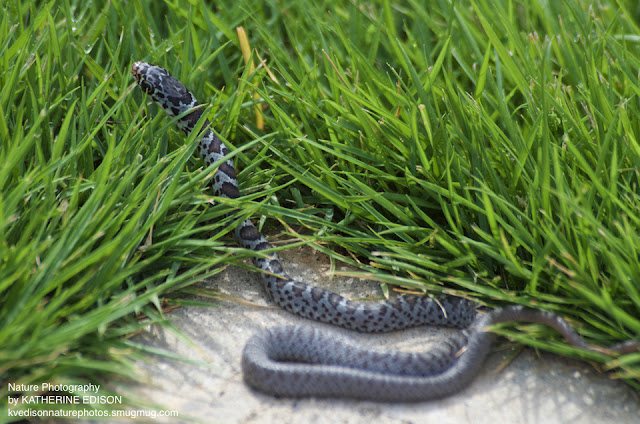 |
| Baby Black Racer sunning on the sidewalk and shooed away from pedestrians. |
 |
| Baby Snapping Turtle on the trail. I moved it out of harms way but couldn't tell if it was injured, sick or just small and tired and lost. |
Speaking as a mother, I find this whole business of raising children to be at the same time very hard, scary, wonderful and rewarding. I adore my daughters and am in awe of the capable and fabulous adults they have become. I don't know if other creatures feel the same after their young have left the nest--whether or not they have longing memories of snuggling sweet smelling babies or spend long nights worrying about them when the going gets tough. I do know that there is a strong instinct to protect our young, to ensure the success of the next generation. Though my daughters are grown, I still feel protective, worrying when they are sick, stressed or sad. I continue to have great hopes for their futures. I imagine that I will feel the same way for the rest of my life, as I imagine my mother feels for me, and her mother before her. Like I said, I come from a long line of mothers, and for that, I am very thankful.
 |
| Newly emerged Black Swallowtail, getting ready for its first flight |