Showing posts with label leaves. Show all posts

Wednesday, October 28, 2020

Fall Colors: Orange

Late October. The air is cooler. Colors are more muted. A leaf that last week was bright yellow has now turned dark with splotches of orange and brown. Dogwood trees glow like fire as their leaves morph: green to orange to pink. The sunlight is softening. There's a smell of rich decay in the air. Leaves fall and crunch as you walk. Migrant warblers stop for a rest on their way south. Year round resident birds fatten up on seed and bugs and berries. Butterflies and bees seem more intent as they search for the last blooms of the season. Damp woods and dead branches invite fungal spores and detritivores. I turn to the fall colors to reassure me that no matter what else is happening around me, the seasons turn and nature abides. 

Orange is the color of leaves turning, berries ripening.

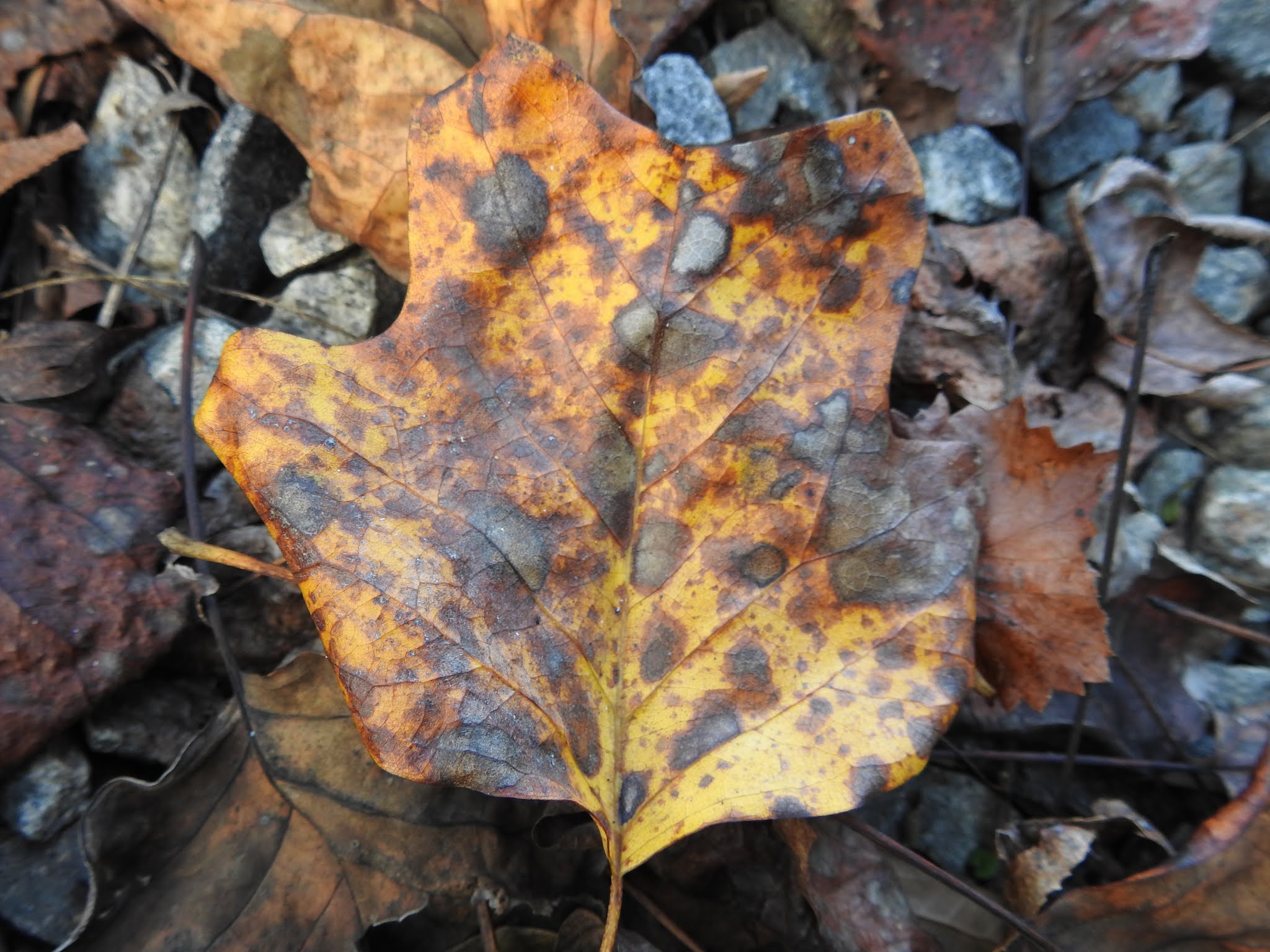
Tulip Poplar leaf turning from yellow to gold

The orange of Sassafras

Pyracantha Berries are tasty treats for the birds

Orange veins in leathery leaves

Dogwood leaves glowing like fire

Orange is the colors of fungi, bright on the forest floor.

Earth tone rainbow of a Turkey Tail fungus


Mushroom cluster


Frilly orange fungus and green lichen


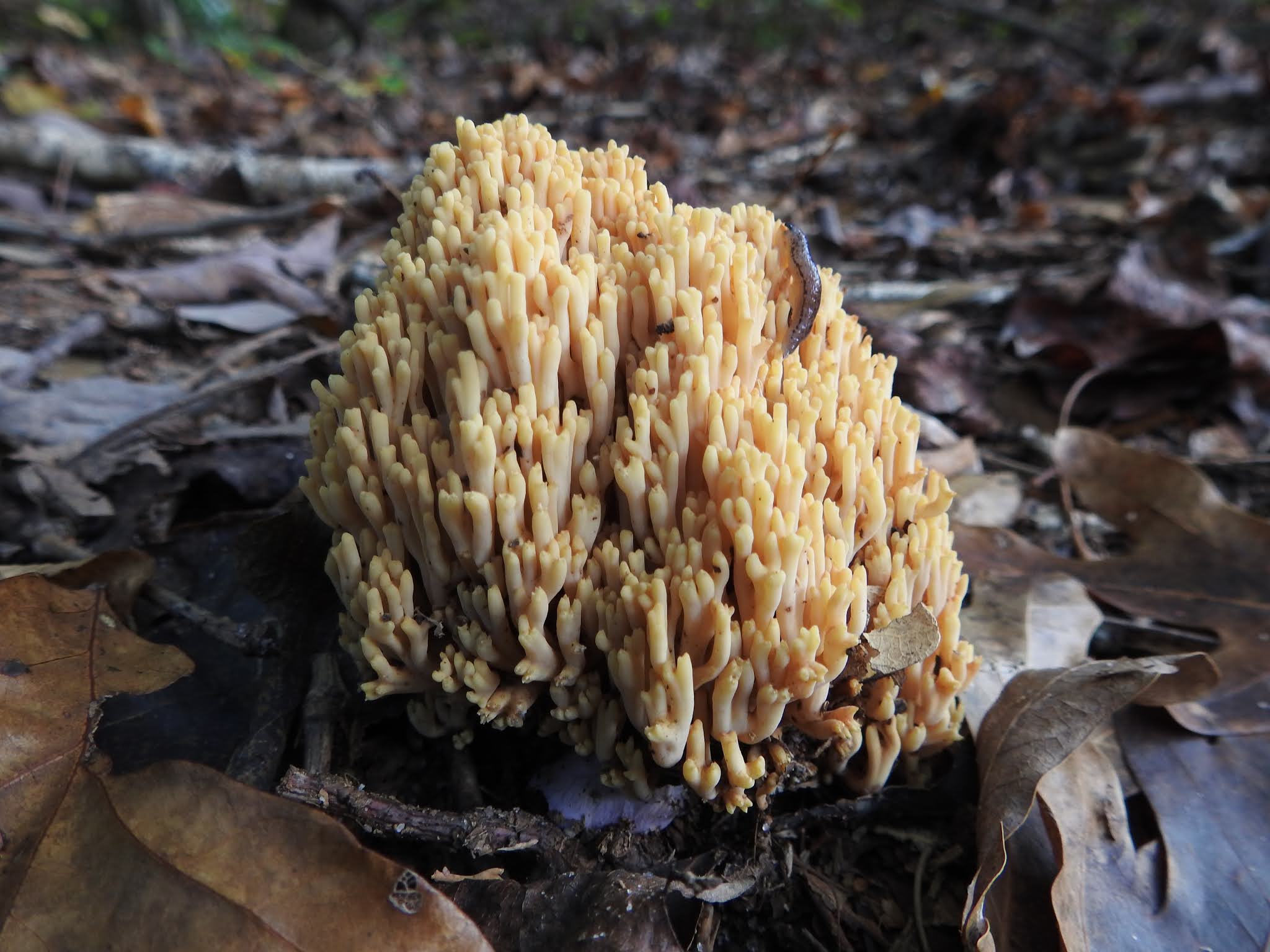
Coral fungus feeds a Carolina Mantleslug

Orange is late fall flowers and the butterflies hungrily feeding and searching for host plants where they can lay their eggs.

Jewelweed 


Buckeye feeding on Blue Mist Flower

Orange is the rusty sides of bluebirds and warblers who come to our yard for sustenance and respite.

Eastern Bluebird

Bay-breasted Warbler


Tuesday, November 10, 2015

Here Comes the Sun!

An amazing thing just happened. I was sitting at the computer, typing and editing photos, when the window lit up! After 10 days of clouds and rain, the sun FINALLY broke through the clouds. I can see blue skies all around! It's kind of amazing how instantly and drastically different that made me feel. Instead of moping at the computer in my sweater, holding a hot cup of tea to warm my fingers, I'm already itching to get outside again! It is such a relief to feel the sun, albeit through the windows. Light! Color! This week really has been dreary and miserable, which is hard to get my brain around because a mere 10 days ago, my husband and I drove an hour and a half up to the mountains to hike and see the fall leaves and the weather was perfect. The sky was the bluest blue and the leaves were spectacular yellows, reds and oranges. And then the next day, the rain set in.

Fall Colors from Blood Mountain, Georgia

People here insist that our weather has been unusual and that it is not normal to get 7 inches of rain in the first week of November. But what do I know? I'm just a recent transplant from the sunny south. It's all weird to me. Before the rain even happened, to help acquaint myself with my new environs, I had decided to keep an almanac of sorts so I could see for myself what should and should not be happening here. I thought November 1 would be a good day to start because I had missed August, September and October. And the end of Daylight Savings seemed like a convenient demarcation. As luck would have it, that's also when the rain started. It let up for brief periods, just long enough for me to rake up piles of leaves and acorns so we wouldn't slip and die when walking outside, or to take a group of school kids on a habitat hike at the nature center. But it rained so much during the week that several schools cancelled their field trips. It was just as well because most of the usual trails were underwater, anyway. The high water flooded the Beaver lodge at the Nature Center and the children and I were able to see several Beavers swimming with sticks in an effort to rebuild. Rivers all over town overflowed, water mains burst, basements flooded. I skipped my weekly nature hike with the Ramblers, a group that explores the Botanical Gardens every week. The dark cloud cover, fog and drizzle made photography next to impossible and the trails were slick and muddy. It was cold and wet. The fungi were delighted, but the birds hid in the bushes. Even my dogs just lay around in the house and napped. Yuck.

Two Nature Center Trail Signposts, Submerged

So here's my Athens Almanac report for the first part of November, observed mostly through the kitchen window. Rainy. Really rainy. Followed by sun today! 7.36 inches have fallen in November so far, with the month's average being 1.05 inches. Daytime temperatures have ranged from the high 70's to the low 50's, falling to mid 40's overnight. The butterflies and insects have been mostly absent due to the rain. They may appear again now that the sun is out, though most of the wildflowers have finished blooming and there will be little (for butterflies) to feed on. There are some Asters hanging on, and a few landscape plants such as Azaleas and Camelias are starting to bloom. This seems early to me, but there are early blooming varieties. All of the Camelias in our yard have big buds and a few have big flowers. The rainstorms caused many of the trees to drop leaves, but there is still color in the landscape, Poplars, Oaks, Maples, Ginkos and Dogwoods providing most of the brightest tones. It was a "mast" year for our Water Oaks and we have pounds upon pounds of acorns on the ground. I wish we had some hogs to feed them to! The birds I'm seeing at the feeders are mostly the usual crowd: Mourning Doves, Cardinals, Bluejays, Mockingbirds, Brown Thrashers, House Finches, Brown Headed Nuthatches, Chickadees, Titmice, Chipping Sparrows, Downy and Red Bellied Woodpeckers. The Towhees are not as active in the yard now as in summer, but I have heard them from the bushes. I have not seen a Catbird in the yard for some time now and the Hummingbirds have headed South. I have not seen a White Breasted Nuthatch for a few weeks. New charming additions with the onset of fall weather are the Dark Eyed Juncos and the White Throated Sparrows. I love hearing their "Sweet Canada, Canada, Canada" calls from bushes. I've also seen several Ruby Crowned Kinglets flitting in the bushes near the feeders. Around the neighborhood I'm still seeing Bluebirds, and we hear Barred Owls when we walk our dogs in the evenings. Flocks of Canada Geese fly overhead and land to feed on big lawns. I haven't seen many hawks in the past month, but there are plenty of Crows, Cowbirds and Grackles. I am hopeful that I may see a Hairy Woodpecker in the neighborhood one of these days. I saw my first at the Nature Center a few weeks ago and have been told that they are not uncommon in the tree canopy where I live.

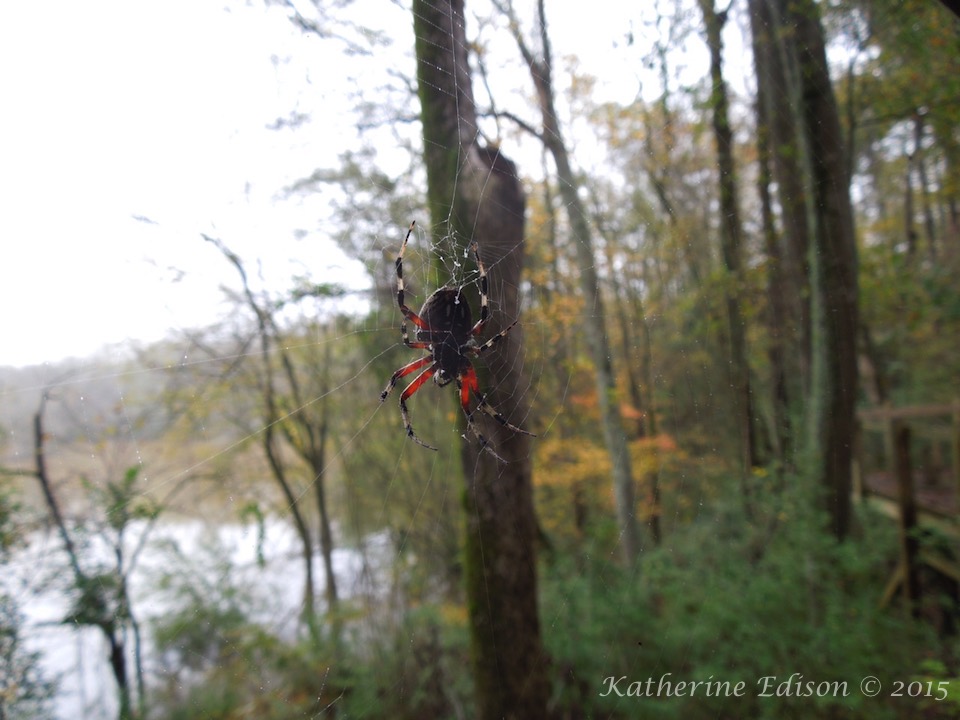
Orbweaver Spider

One Last Aster

I took advantage of the rotten weather and put in much-needed work my photo website. As days of rain turned to a week or so, my cabin fever fueled my compulsion. I labeled entries in the Plant and Bird sections taxonomically to take advantage of the built in ordering on the website. Crazy, I know, but it makes it so much nicer to have like grouped with like. Not that I know that much about taxonomy, either. It took a lot of work to find the references (and they can still be wrong--let me know!) I poured over my favorite nature books and websites--Sibley, Butterflies through Binoculars, Atlas of Florida Vascular Plants, Cornell Lab of Ornithology, and their Neotropical Bird site, to name a few. I could see the order and structure taking effect and it made me a little giddy.  It gave me a little sense of control. The rain kept falling and I couldn't stand to go outside, but my website looks great! Check it out here. Nature Photography by Katherine Edison. And now that the skies have cleared, I will be out again observing, taking photos, and learning more about what to expect in Georgia. More Almanac reports to come.

One Benefit of Rain--Dewy Spiderwebs


Friday, November 22, 2013

Greeting the Seasons


River Oats (Chasmanthium latifolium)
I heard a small group of Sandhill Cranes calling when I was out at Paynes Prairie the other day. The huge wintering flocks should be arriving soon--a sure sign that Fall is fading into winter--and I can't wait! The sound and sight of cranes flying in from the North has worked its way into my heart and soul and I get an ecstatic rush of happiness when I know they are back again each year. Somehow for me, the return of the cranes signals that things are changing according to schedule and everything is right in the world. Everywhere I look I see signs of the changing seasons and today it got me thinking. People who move to Florida often complain that we don't get to experience the changing seasons or Fall colors. But yet, when I look around, I see the changing seasons everywhere. Why can't everyone see it? I think it's a matter of perspective. If you measure your year by the traditional 4 seasons, as experienced in the midwest and northeast, you're always going to feel out of sorts when things don't match your expectations. But this only describes the experience of a small part of the world. The most southern US does not have a white Christmas. Fall does not bring orange and red falling leaves in the Tropics. The seasons are opposite in the Southern Hemisphere.  And yet, of course, the seasons are changing everywhere. It's just that the changes may not be what some people are used to.
Subtle Colors on the Prairie
Over my time living here, I've reshaped my view of the turning of the year. I grew up in a climate with the distinct 4 seasons, so the first winter here felt a little strange. But one day in that first December after moving from Wisconsin, my husband and I realized that the sky was blue, the sun was bright and were very happy to be experiencing a Florida winter. It was different, but great! You'll get no complaints from us. 
Sparkling Stars--Spent Goldenrod Flowers (Solidago sp.)

I learned that we have fall colors here, too. In the early fall, the colors come from the purple, white and yellow fields of blooming wildflowers and grasses. But later in November, the colors of the trees and shrubs change to more subtle shades of brown and off-white, purple or yellow with the occasional splash of red or orange. They're not the expanses of fiery red and orange that you get in a climate with really cold winters, but the colors do change. Saltbush, Virginia Creeper, Burrmarigold, Asters and Sumac provide accents to the palette. The sun is lower in the sky, taking the edge off the brightness of the light. Everything looks softer. The colors and the seasons are subtly changing right before our eyes. I think you just have to want to see them and you will. 
Purple: Elliott's Aster (Symphyotrichum elliottii)

Orange: Firebush (Hamelia patens)

Green Turns to Brown: Oakleaf Hydrangea (Hydrangea quercifolia)

Splash of Red: Virginia Creeper (Parthenocissus quinquefolia)

Soft White: Saltbush (Baccharis halimifolia)

Yellow: Smilax sp.

Fall Colors: Sweetgum (Liquidambar styraciflua)
Now that I've lived here for a while, my take on North Florida seasons go like this: Fall is purple, yellow and white. It is the time of brilliant wildflowers and butterflies, drier, cooler temperatures, and golden light. Fall brings migrating Warblers and Monarch and Sulphur butterflies. It's time to open the windows to let in the fresh air. The bees are feeding with increased urgency because they know the flowers that are blooming won't be around long. The winter starts to creep in at about Thanksgiving. The temperatures are cooler still and warm coats, hats and mittens come out of the cupboards. The flowers have finished blooming and the dead seed heads look like shiny stars in the landscape. The cranes arrive. The leaves are changing to gold and red and the greens turn to browns.  A warm, sunny day can bring out the zebra longwing butterflies who can often last through the winter because they eat pollen. You can smell the smoke in the air from woodburning stoves and fireplaces. Winter means sweet, fresh citrus. Winter brings the best hiking and camping and kayaking season. The bugs are gone. Spring starts in January or February with the blooms on the redbud and dogwood. The camellias start blooming around Christmas and merge with the Azaleas in March. Spring is pink and fresh and cool. Toadflax and Spiderwort sprout in lawns and roadsides. The ash trees out front are crowded with loud and hungry orioles who scold me for forgetting their jelly, and the pipevine butterflies are laying their eggs on the new leaves. As it warms up, the cranes head back north. The humidity and heat return. Summer slowly begins in April, warming and building to August where the vines and green leaves cover everything and the cicadas and treefrogs croak, buzz and hum. Summer is wet and green. It's muggy, but it feels good to breathe in that warm, wet air. The summer heat warms up the turtles and snakes, and summer rains bring out the frogs and toads. Summer is Gallinules and Spoonbills, Swallowtailed Kites and Great Crested Flycatchers. It's tick and chigger time. The swallowtail butterflies flit around the Catesby's lilies, eager for the nectar in the deep recesses. The Mississippi Kites fledge their young and then they leave. And we're back to fall again.
Hungry Bee on Powderpuff Mimosa (Mimosa strigillosa)
It's all a matter of perspective. And I think there is a message here. If you spend too much time looking to the past and comparing to past experiences, there is a danger that things won't match your expectations and you might be disappointed. Just be here and now. And enjoy. Wherever that may be.

Blue Gray Gnatcatcher Eating Bugs on Spent Goldenrod